
The Empathy Layer
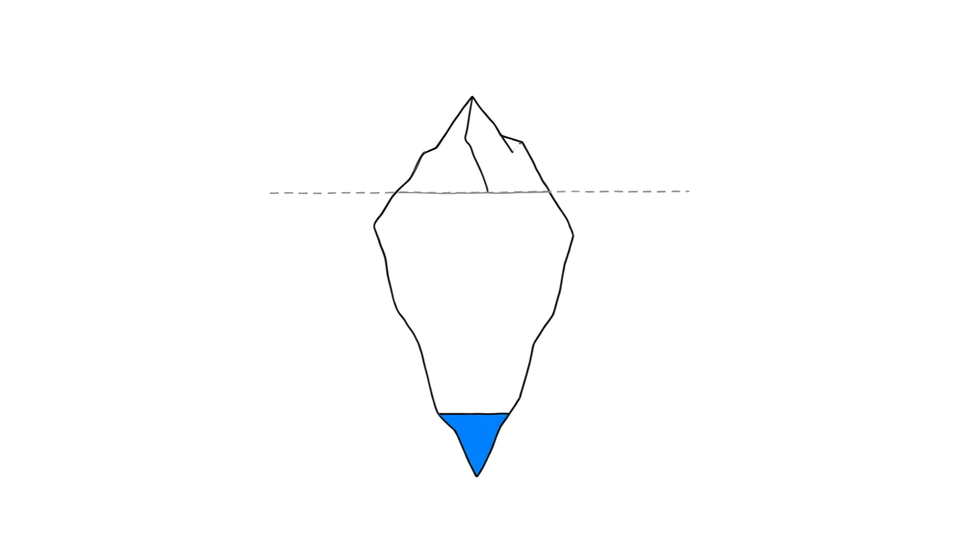
Four layers that reveal what customers actually want.
You've always suspected demographics don't tell the real story.
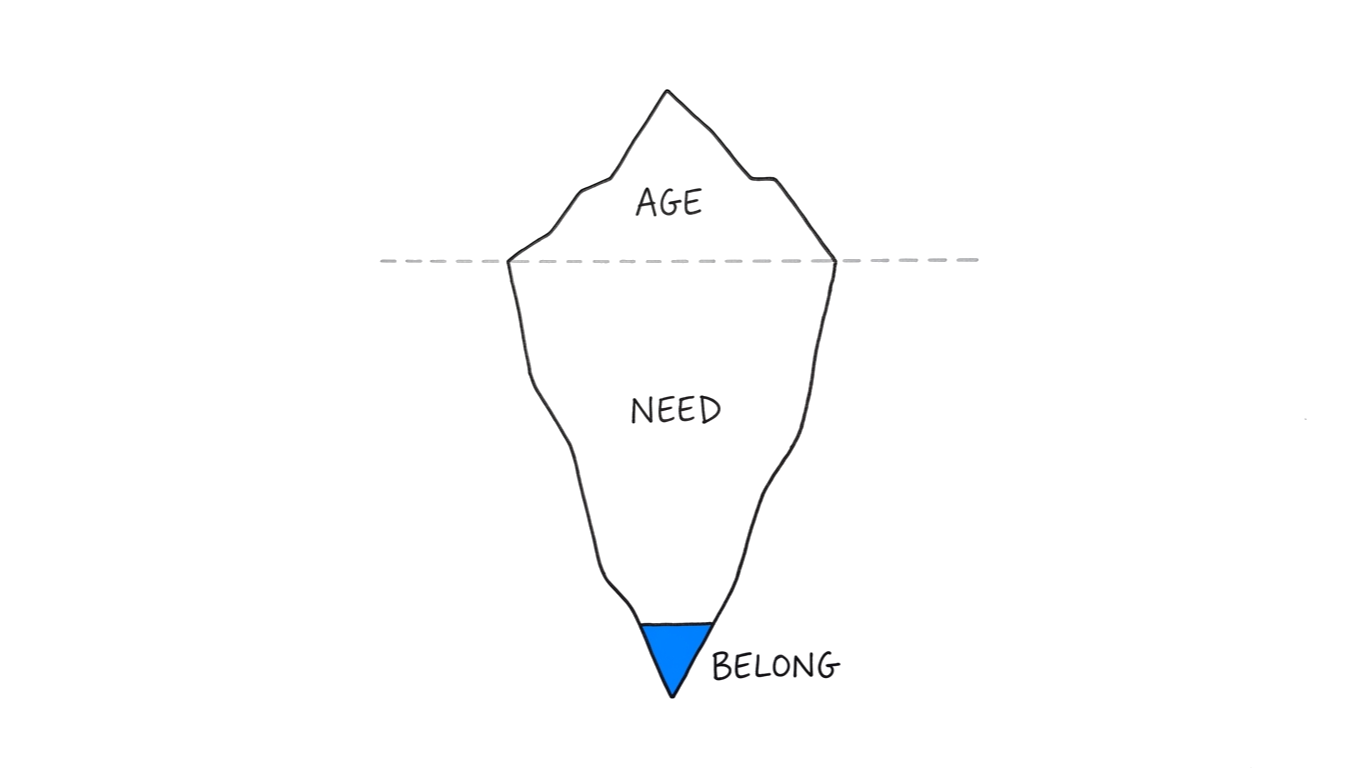
Age, income, location. Every brief starts there. Every campaign built on those numbers feels logical. And most of them land flat.
You suspected there's something underneath. You were right.
In 2004, neuroscientist Read Montague put 67 people in an fMRI machine and gave them Coca-Cola and Pepsi.
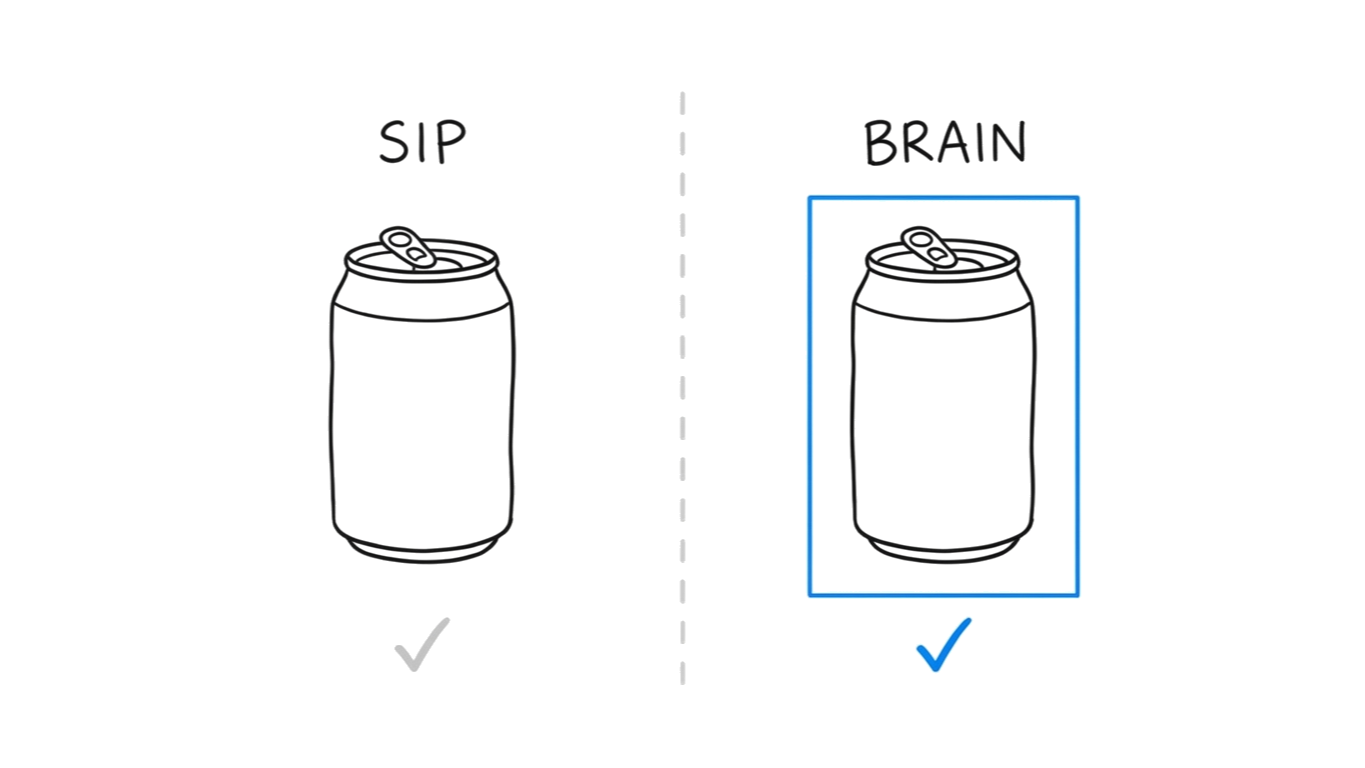
Blind, they preferred Pepsi. The ventromedial prefrontal cortex lit up. The brain tasted sugar, and Pepsi is slightly sweeter.
Then Montague told them which cup was which.
Knowing it was Coke activated the dorsolateral prefrontal cortex and the hippocampus. Memory regions. Identity regions. The brain stopped tasting the drink and started remembering what Coke meant.
Pepsi won the sip. Coke won the brain.
This is the first layer most marketers never reach. Not what customers taste, click, or report in surveys. What they believe about themselves while they're doing it.
Now watch what happens when you can't reach that layer at all.
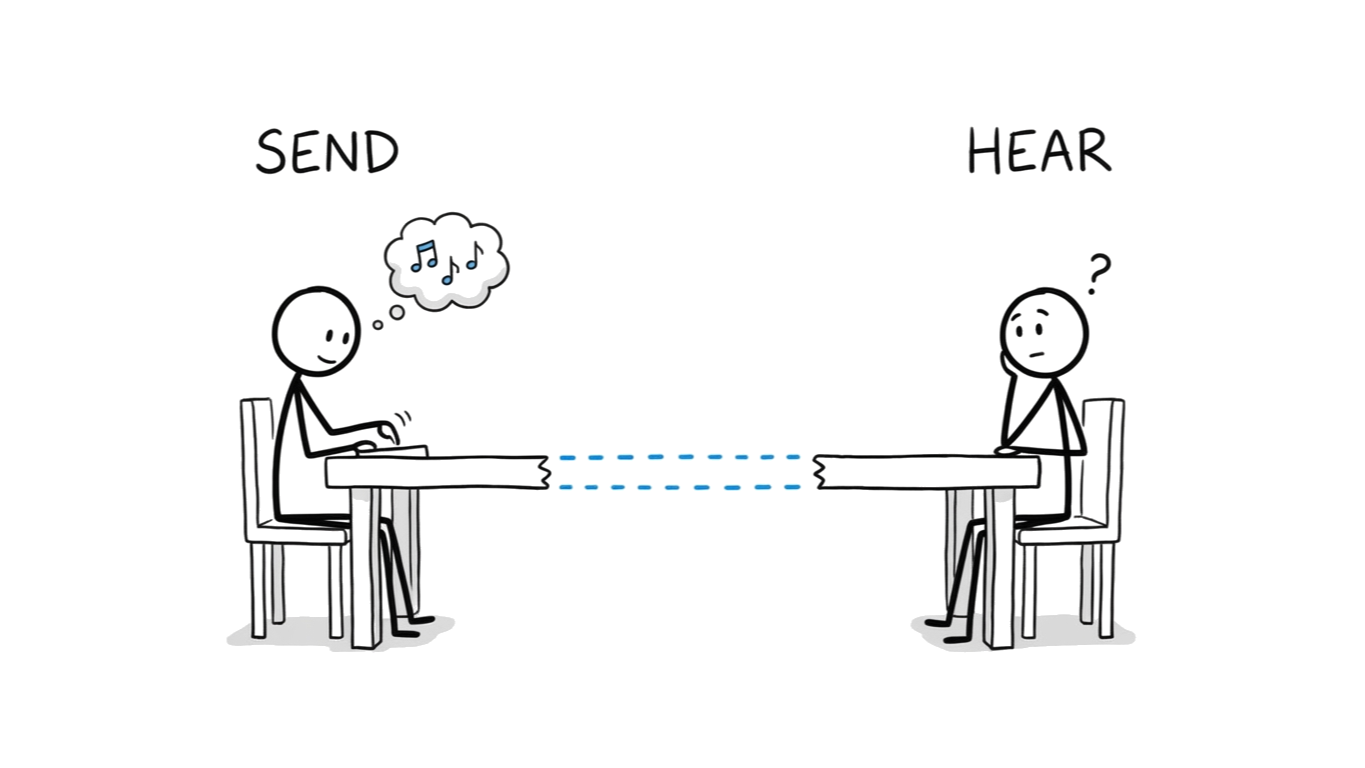
In 1990, Elizabeth Newton sat Stanford PhD candidates at a table and asked them to tap out well-known songs. "Happy Birthday." "The Star-Spangled Banner." Simple melodies everyone knows.
She asked the tappers: what percentage of listeners will guess the song?
They predicted 50%.
The actual success rate was fewer than 3%.
Tappers heard the melody in their heads while they tapped. Rich, full, obvious. Listeners heard knocking. Just knocking. The tappers couldn't unhear the music long enough to realize no one else could hear it.
You've sat in that war room. The product lead walks through the new feature. Everyone on the team nods. The language makes sense to the twelve people who built it. Then it ships, and customers stare at the landing page like they're listening to someone knock on a table.
Every product page written by a product expert is tapping. Every pitch deck that leads with "our proprietary platform." Every brief that says "intelligent automation" when the customer just wants to know if it'll save them twenty minutes.
The curse of knowledge is the absence of empathy. You can't build the first layer if you can't silence your own melody.
Dove didn't tap. They listened.
In 2004, Dove commissioned a study across 10 countries. 3,200 women. One core question: how do you see yourself?
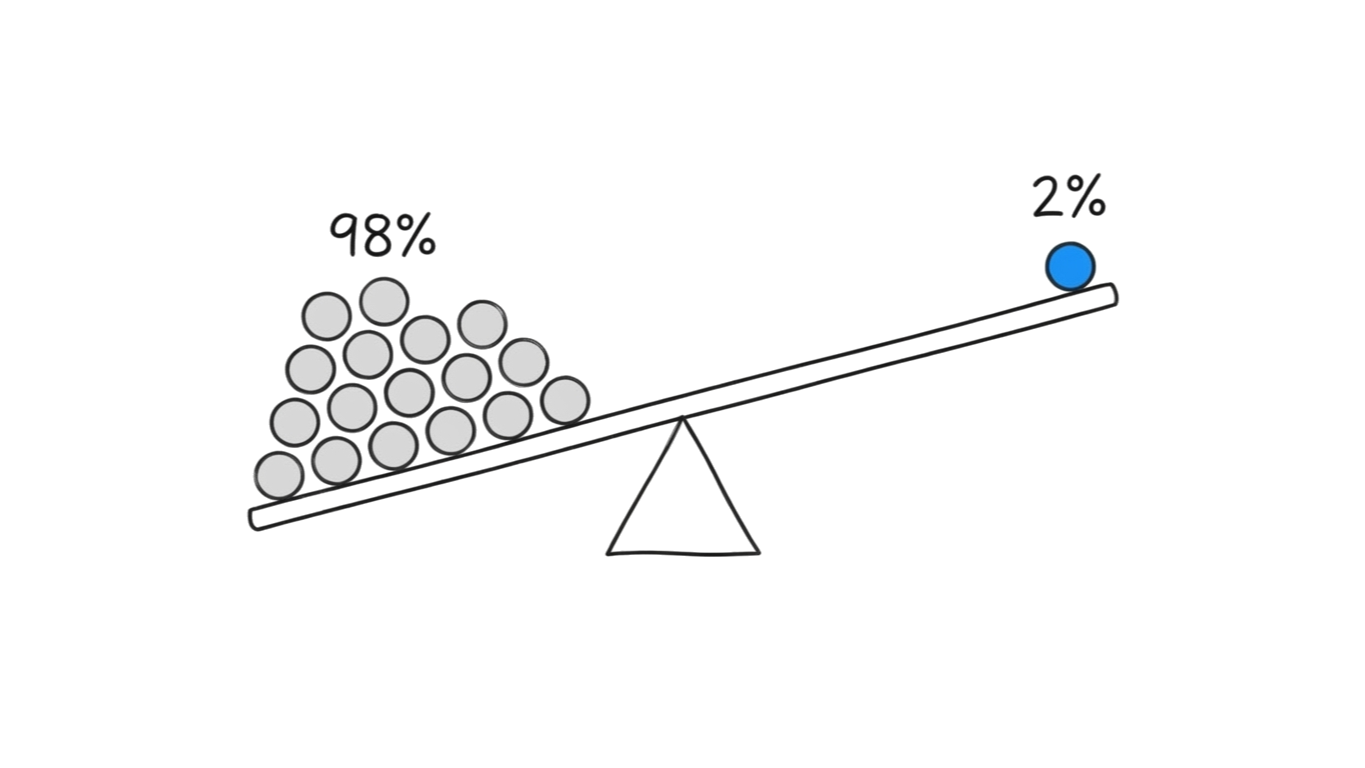
Only 2% would describe themselves as beautiful.
Not 20%. Not 12%. Two percent.
The external problem was "I need soap." The internal problem was "I feel invisible." Dove found the second one because they asked 3,200 women instead of assuming they already knew.
Every competitor was selling cleanliness. Dove sold recognition.
Over the next decade, sales grew from $2.5 billion to $4 billion. Ad Age named it the #1 ad campaign of the 21st century. Not because the soap changed. Because the question did.
You could argue Dove is the exception. Most companies operate on demographics forever and do fine. One study doesn't invalidate an entire industry. Surface data built the Fortune 500.
That's a fair argument. And it has a ceiling that most companies never see coming.
Airbnb thought they knew their customers. Cheaper than hotels. Unique spaces. A marketplace for bedrooms.
Then they sent four designers to 13 cities across four continents. They stayed with 18 hosts. They watched and listened.
The guests didn't talk about price. Didn't talk about unique spaces. They talked about belonging.
Feeling like they weren't tourists. Feeling like someone had made room for them.
Airbnb wasn't competing with hotels on price. They were competing with loneliness on connection.
The rebrand to "Belong Anywhere" didn't come from a brainstorm. It came from fieldwork. From sitting in living rooms in cities they'd never visited and hearing the same word in different languages.
Within three years, Airbnb's valuation grew from $10 billion to $31 billion. Not because the product changed. Because they finally understood what they were actually selling.
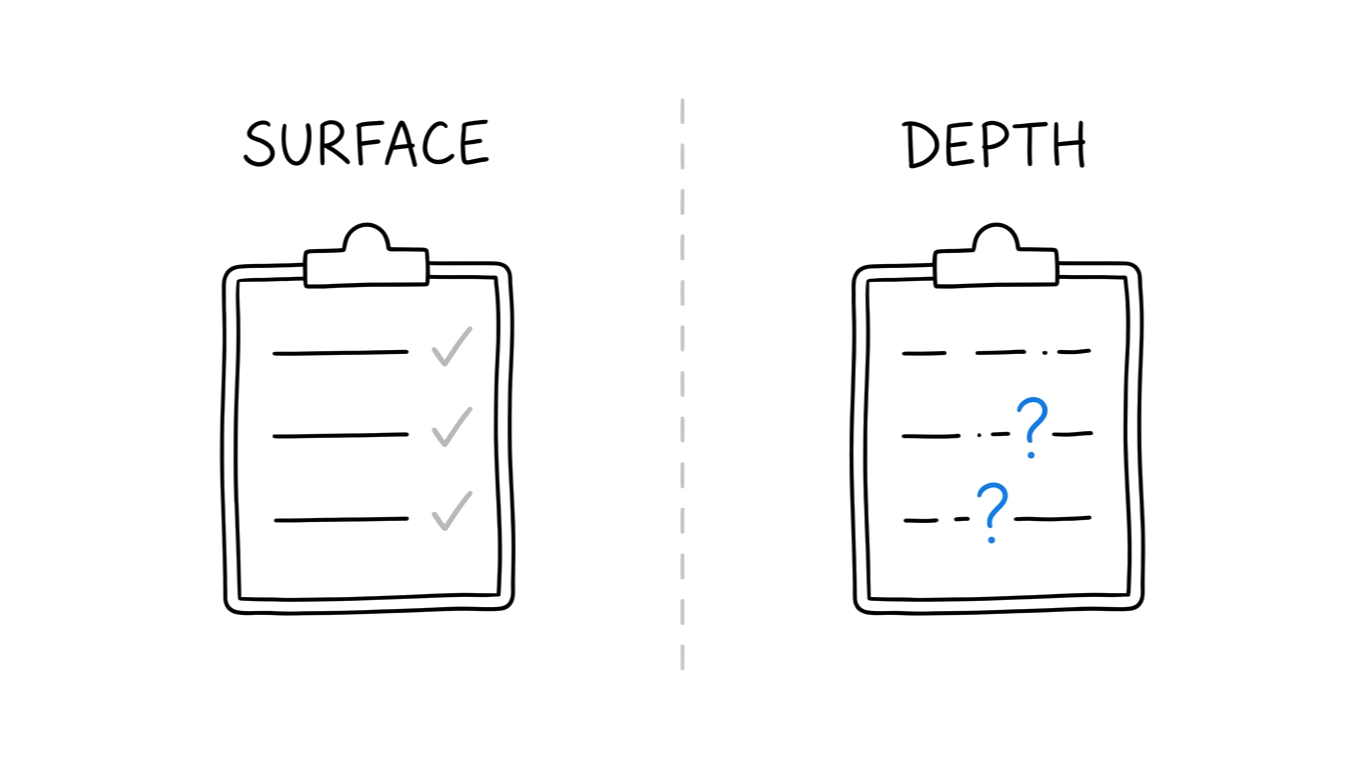
The surface is always confident. The depth is always surprising.
The invisible architecture beneath every customer is the layer most companies never reach.
Empathy tells you who you're talking to and what they already believe.
But knowing what they believe isn't enough. The next question is harder: how do you shift that belief without breaking the connection you just built?
The Flip Principles shows how to find the counterintuitive lever hiding in plain sight.
This is the first cylinder of The Perception Engine.