
Why Handoffs Kill
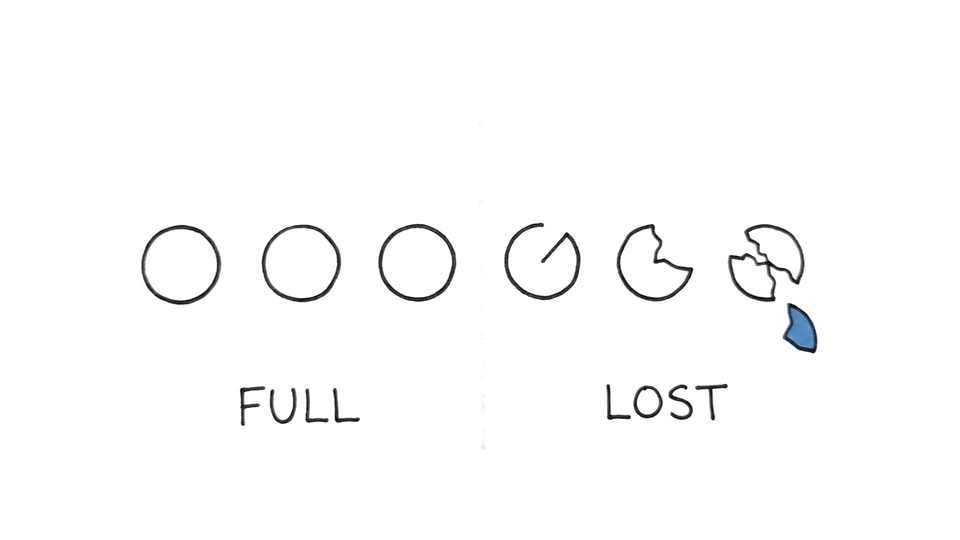
She asked for water.
Sorrel King had been watching her eighteen-month-old daughter recover from burns covering more than half her body. Three weeks at Johns Hopkins. Skin grafts healing. Discharge days away.
Then Josie stopped eating. Started sucking on washcloths. Her eyes rolled back at night.
Sorrel told the nurses something was wrong. She asked to give her daughter water.
The nurse said no. Vital signs were normal. Continue current protocol.
On February 22, 2001, Josie King died of severe dehydration. At one of the best hospitals in the world.
The information was right there. A mother screaming it across a boundary that couldn't carry it.
It wasn't incompetence. Three care teams were managing Josie simultaneously: nursing, surgical, pain management. Each had part of the picture. None had all of it. When shifts changed, the clinical facts transferred. Sorrel's escalating panic didn't.
If you've ever watched critical information vanish between departments, between shifts, between the email you sent and the meeting that followed, it wasn't your team failing.
It was physics.
Information degrades across boundaries. Not because people are careless. Because boundaries compress context, and compression destroys the nuance that matters most.
The mechanism doesn't need a hospital ward to operate. It doesn't even need separate rooms.
On June 1, 2009, Air France Flight 447 hit turbulence over the Atlantic. The autopilot disconnected. First Officer Bonin pulled his sidestick back, raising the nose. In the seat beside him, another pilot pushed forward.
Neither could feel what the other was doing.
Airbus sidesticks have no mechanical linkage between them. No tactile feedback crosses the two-foot gap between captain and first officer. One pilot flying the plane into a stall. Another trying to save it. Both invisible to each other.
228 people died in four minutes and twenty-three seconds. Not because of bad communication. Because the architecture made two realities invisible to each other across a boundary narrower than an armrest.
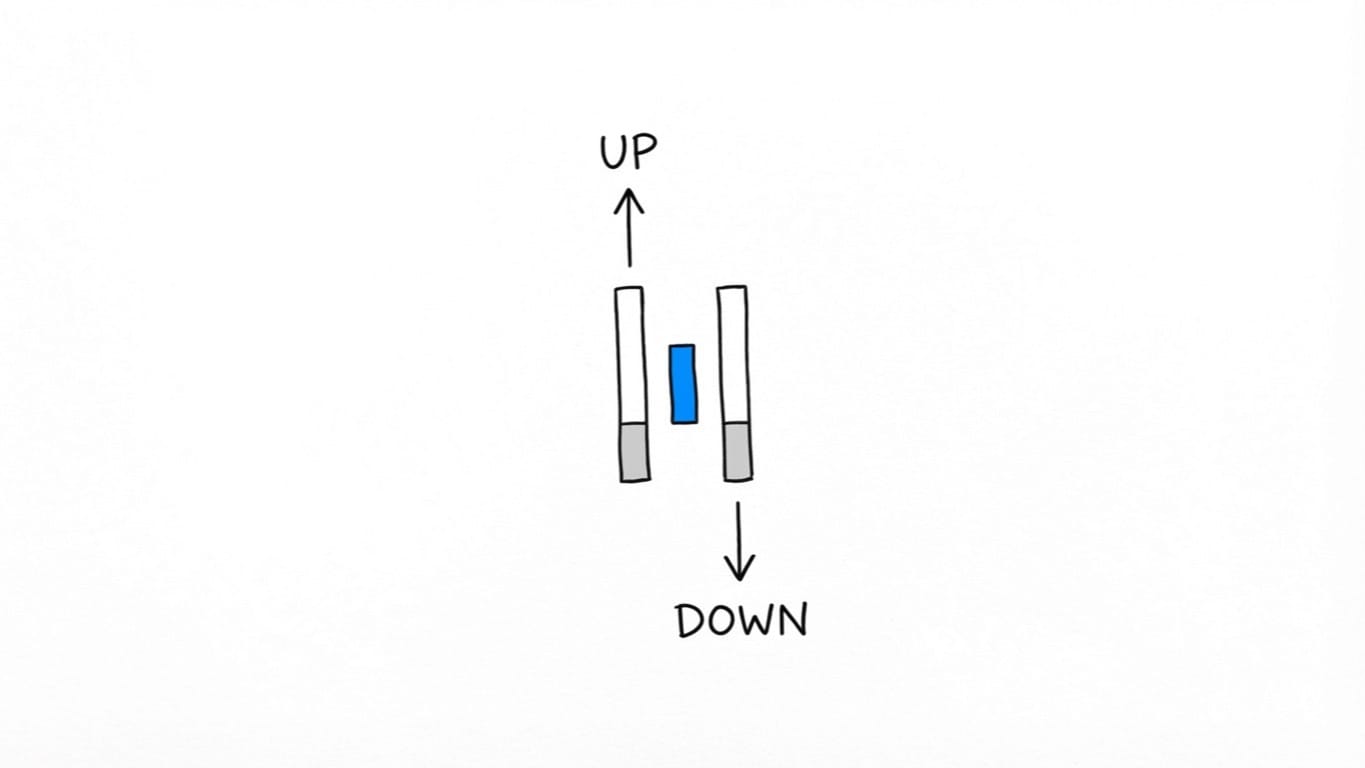
The instinct is to fix the handoff. Train nurses to communicate better. Build checklists. Write longer documents.
Process says: improve the handoff.
Physics says: remove the boundary.
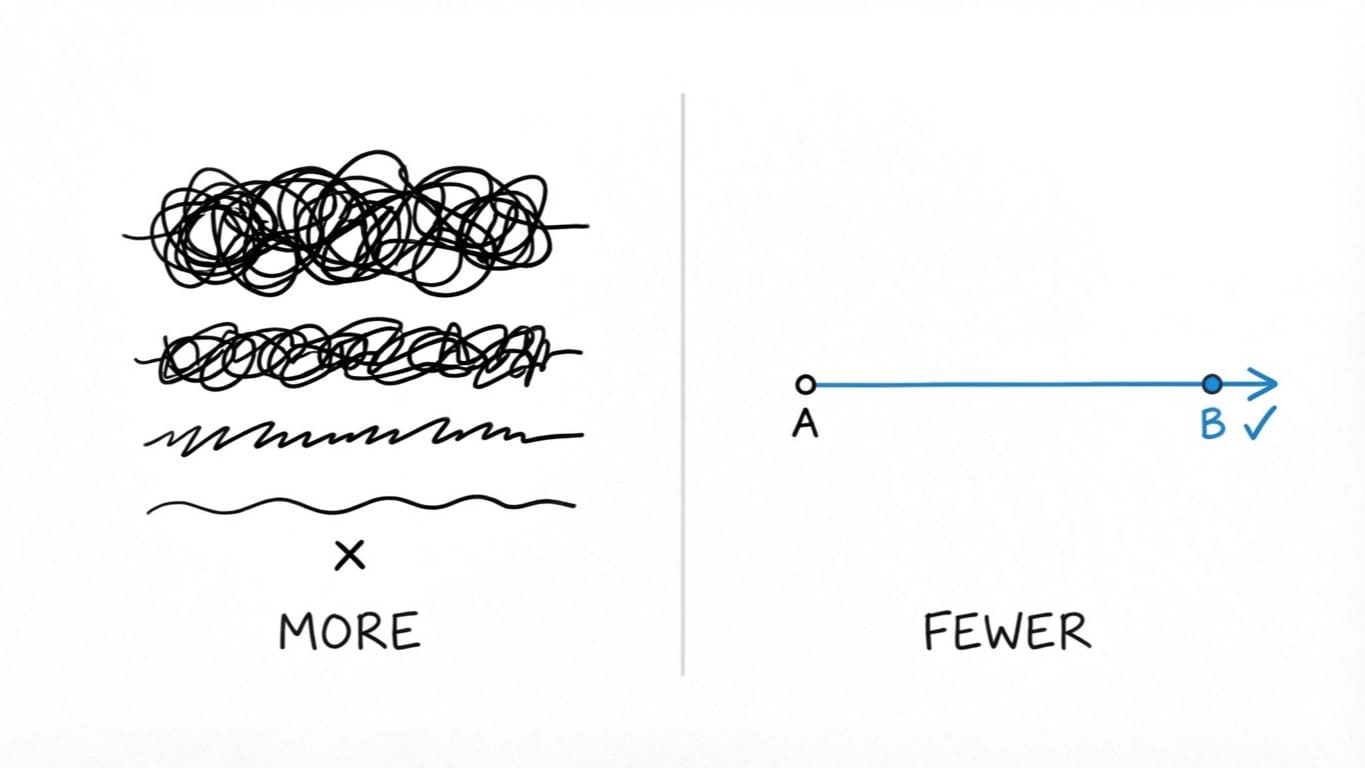
More documentation doesn't preserve context. It buries it. The solution was never better handoffs.
It was fewer of them.
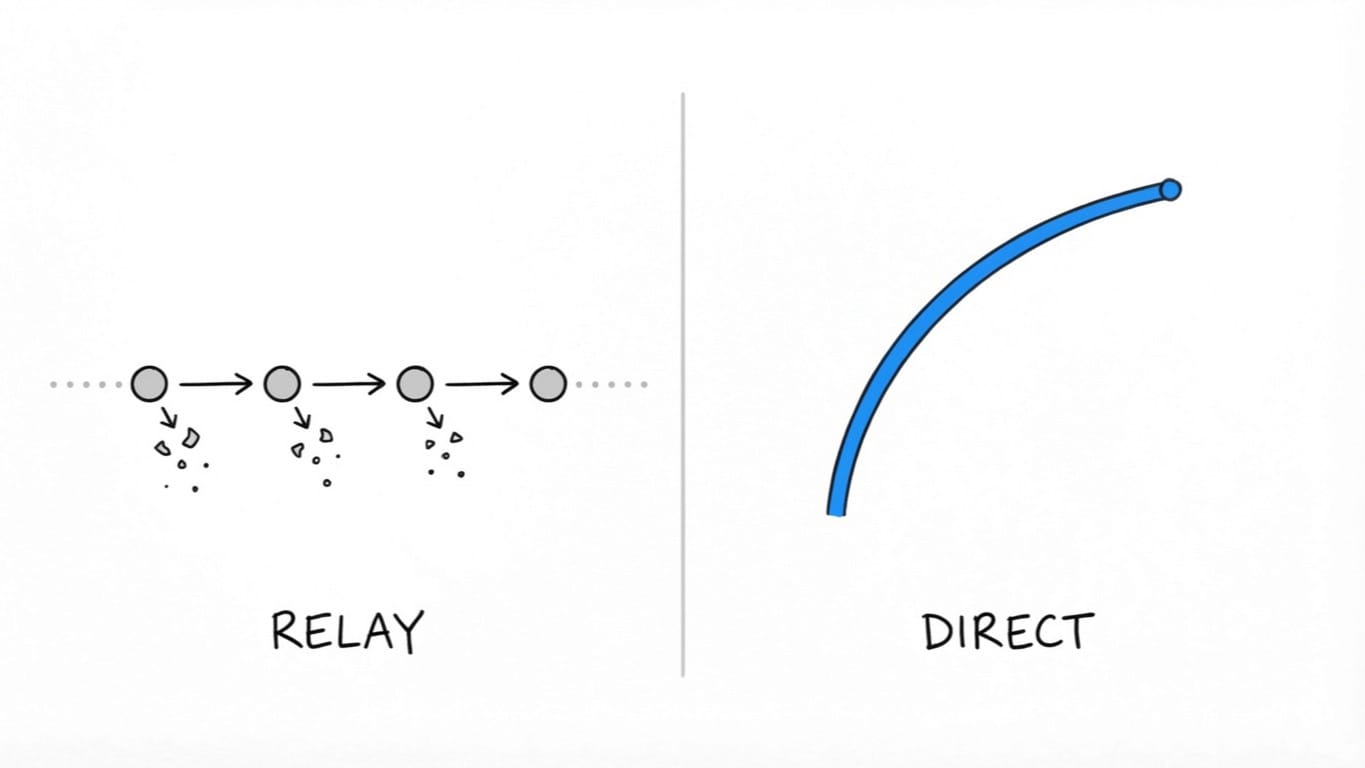
Two thousand years ago, Emperor Augustus faced the same physics across a very different scale. The Roman Empire stretched from Britain to Syria. Messages took weeks. Each relay rider who passed a dispatch to the next stripped away nuance for speed.
So Augustus made a counterintuitive choice. He replaced relay riders with single couriers who traveled the entire distance. Slower. But as the historian Suetonius recorded: a courier who traveled the whole journey could be interrogated upon arrival.
Full context. Questions answered. Gaps filled. Augustus was engineering around spatial degradation before the concept had a name.
Every boundary you build is a place where context goes to die.
Build fewer.
This post explores Spatial Information Degradation, one of four dynamics from The Momentum Engine.